climate change cook islands
Priorities
adaptation
Adaptation can be seen as the process of adjusting to the impacts and effects of climate change through identifying and implementing measures to help countries reduce the risks posed by climate change.
As Cook Islanders are heavily reliant on their natural surroundings, the adverse change in climate poses a crucial threat to the biodiversity, ecosystem, economy, and the lives of the people in the Cook Islands. The past studies of climate change have resulted in a focus towards the adjustments to sea level rise and storm surges associated with tropical cyclones. But as these extreme events have been increasing in the past few years so has the costs of dealing with these events. However, in combination with the analyses and studies of the climate trends there has been a clearer picture emerging of both the impacts and the adaptation options to cope with these.

marine adaptation
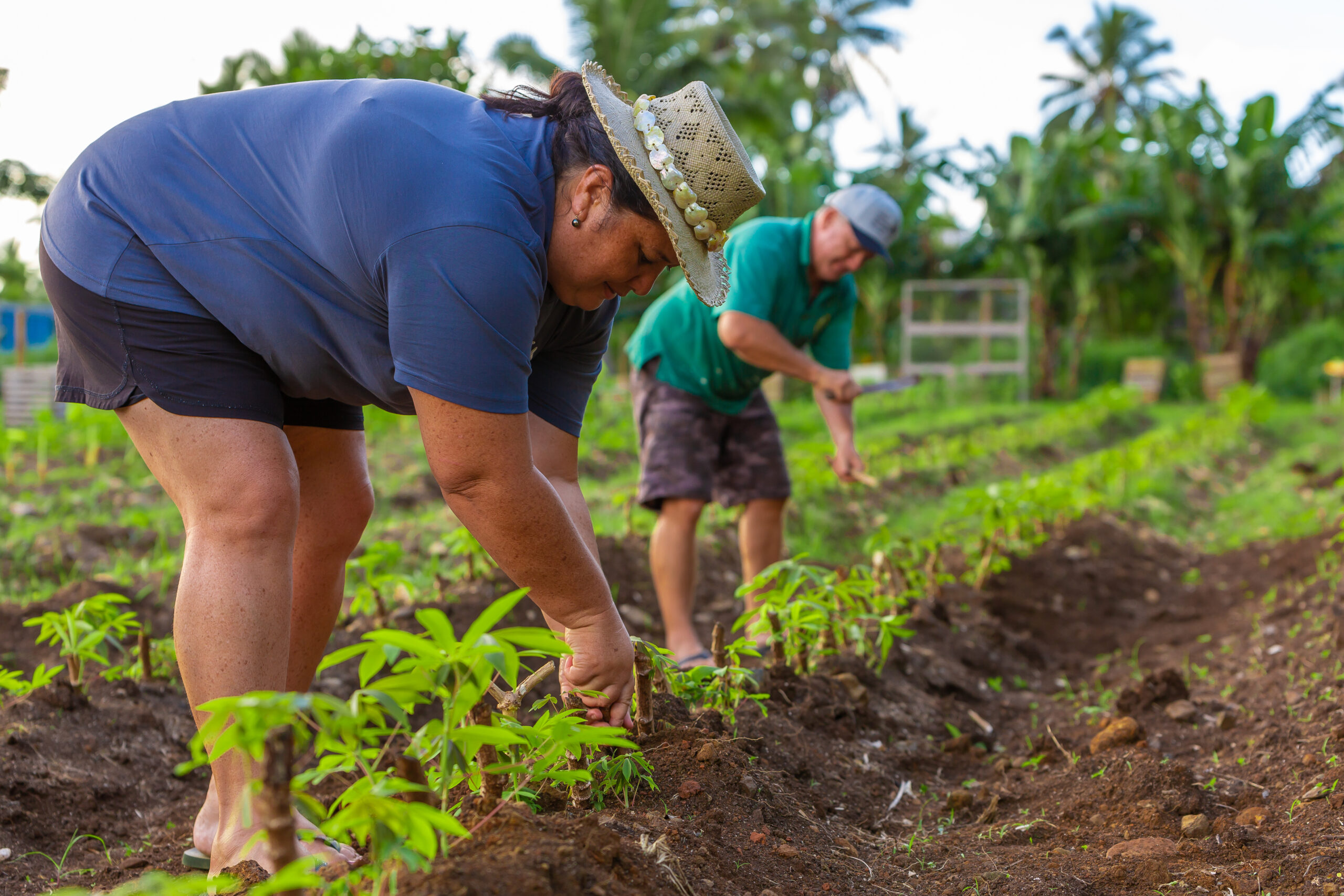
Monitoring and managing risk species for the use of research and early detection activities can be useful to detect periods of unsuitable lagoon conditions and to reduce impacts. This can be carried out by monitoring lagoons for changes in temperature, salinity, turbidity and quality.
coastal zones
adaptation
There have been two proposed adaptation options for climate change in regards to coastal infrastructures: moving buildings out of risk zones and improving building standards within the zone itself. The building code and EIA (Environment Impact Assessment) procedures should reflect the adaptation options making the development worthwhile and safe.
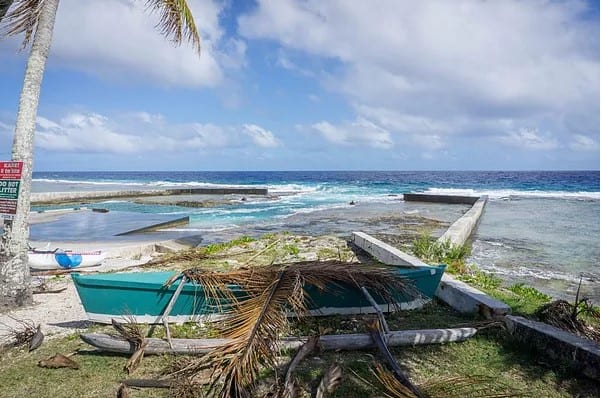
There has been a number of sea walls constructed on Rarotonga to protect properties. Negatively, it has been reported that these structures in fact contribute to further erosion especially on unprotected shorelines near these sites. This is an example of why coastal protection barriers should be carried out with advice from coastal experts.

water resources
adaptation
Water Works Division is responsible for the maintenance of water intakes and the safeguarding of water catchment areas on Rarotonga. The Ministry of Health is also involved with the quality of the drinking water and water quality testing is carried out by National Environment Service and the Ministry of Marine Resources.
Mitigation
WHAT IS MITIGATION
Climate Change mitigation involves the reduction of the damage to the earth’s climate, that is generally caused by human action such as the emissions of greenhouse gases (GHGs).
MITIGATION IN THE COOK ISLANDS
Like other developing countries, the Cook Islands has many pressing priorities and concerns that need to be addressed under capacities constraints and high opportunity costs of investment.
This means that any mitigation effort must focus on measures that not only reduce emissions but also have other positive development impacts. It would for instance be unwise for the Cook Islands to embark upon any type of research and development activity or try to deploy technology that has not been proven in circumstances like the Cook Islands.
Cook Islands will focus on proven mitigation technologies that offer the potential for no-regret investments by public and private sector sponsors. Such options exist mainly in the energy sector, but there are also interesting options in Greenhouse gas (GHG) emission and waste management.
The main area where the Cook Islands can reduce GHG emissions lies in the energy sector. Through moving away from reliance on imported diesel fuel (both for electricity and transport) and switching towards renewable energy as a part substitution.
Energy
The National Sustainable Development Plan (NSDP) 2016-2020 establishes the Cook Islands aspirations for sustainable development. This plan aligns with the NSDP, and specifically addresses the first three target areas of the NSDP Goal 6 – ensure access to affordable, reliable, sustainable, modern energy and transport.
Efforts to promote renewable energy are designed to eventually decouple the country from its reliance on fossil fuels and provide a buffer to the external shocks in global oil prices. This will have both economic and environmental benefits. Reducing the use of fossil fuels should indicate not only greater use of renewable resources, but also more efficient energy use and conservation.
GREEN HOUSE GAS (GHG is the gas in an atmosphere that absorbs and emits radiation within the thermal infrared range. This process is the fundamental cause of the greenhouse effect. The primary greenhouse gases in Earth’s atmosphere are water vapor, carbon dioxide, methane, nitrous oxide, and ozone).
While energy is the clear leader, there is merit in mitigating emissions from waste and agriculture as the former offers no-regret options (reducing open waste burning) that would produce significant co-benefits through reduction of local pollution.
waste management
In the agricultural sector, reducing effluent pollution from animal husbandry – especially piggeries – would have significant environmental benefits by reducing controlled nutrient intake into lagoons.
The same is true for improvements in the management of sewerage. At present, there are many septic tanks that are not adequately designed and/or build. This leads to overflow and pollution of the lagoons.
Technology options for GHG mitigation include processing and reuse of animal wastes and improve land management techniques.
Contact
Ph: +682 25494
E: info.climatechange@cookisland.gov.ck
A: Office of the Prime Minister, Rarotonga, Cook Islands
quick links
GREEN CLIMATE FUND
NATIONAL REPORTING
FACT SHEETS
NATIONAL DESIGNATED AUTHORITY